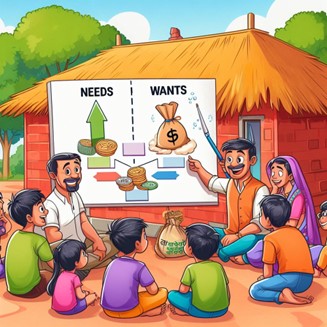
Needs are things that people and animals must have in order to survive and thrive. They are essential to our well-being and happiness. There are many different types of needs, including physical needs, emotional needs, and social needs.
Wants are things that people and animals would like to have but are not essential for their survival or well-being. They are different from needs, which are things that we must have in order to live and be healthy.
What are needs?
Needs are things that we must have in order to live and be healthy. They are different from wants, which are things that we would like to have but are not essential for our survival or well-being.
Some examples of needs include:
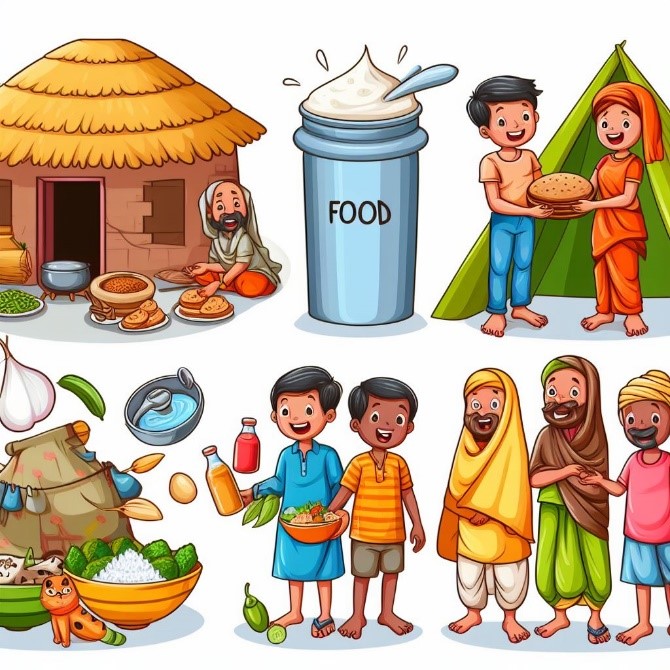
- Food and water: We need food and water to survive. Our bodies use food to generate energy and to build and repair tissues. Water is essential for many bodily functions, such as regulating temperature and removing waste products.
- Shelter: Shelter protects us from the elements, such as rain, wind, and snow. It also provides us with a place to sleep and relax.
- Clothing: Clothing protects us from the weather and helps to regulate our body temperature. It also provides us with a sense of modesty and self-expression.
- Education: Education is essential for personal and professional development. It helps us to learn new skills, to understand the world around us, and to make informed decisions.
- Healthcare: Healthcare is important for maintaining our health and preventing diseases. It also helps us to recover from illnesses and injuries.
Why are needs important?
Needs are important because they are essential for our survival and well-being. When our needs are not met, we can experience a variety of negative consequences, such as physical illness, emotional distress, and social isolation.
For example, if a child does not have enough food to eat, they may experience malnutrition, which can lead to stunted growth and other health problems. If a child does not have a safe and secure home, they may experience anxiety and stress. And if a child does not have access to education, they may have difficulty finding a good job and supporting themselves in adulthood.
Different types of needs
There are many different types of needs, but some of the most important needs for kids include:
- Physical needs: Physical needs are the basic things that kids need to survive, such as food, water, shelter, and clothing.
- Emotional needs: Emotional needs are the things that kids need to feel loved, safe, and secure. These needs include love, affection, attention, and acceptance.
- Social needs: Social needs are the things that kids need to interact with others and feel connected to their community. These needs include friendship, belonging, and participation.
Let’s look at different types of needs:
- Physical needs: Food, water, shelter, clothing, sleep, healthcare
- Safety needs: Security, stability, freedom from harm
- Love and belonging needs: Love, affection, acceptance, belongingness
- Esteem needs: Achievement, competence, recognition, respect
- Self-actualization needs: Personal growth, fulfilment of one’s potential
These needs are universal, meaning that they are shared by all people regardless of culture or background. They are also hierarchical, meaning that lower-level needs must be met before higher-level needs can be met.
For example, a person cannot focus on their self-actualization needs if they are not meeting their basic physical needs for food and shelter. Similarly, a person cannot feel loved and accepted if they are not feeling safe and secure.
It is important to note that these are just generic examples of needs. Each individual has their own unique needs and priorities. It is also important to note that needs can change over time. For example, a child’s needs will be different from an adult’s needs.
Here are some examples of how these generic needs can be applied to different contexts:
- Physical needs: A student needs food and water to stay focused in class. A construction worker needs safety gear to protect them from harm.
- Safety needs: A child needs to feel safe and secure in their home. A traveller needs to feel safe in their hotel room.
- Love and belonging needs: A person needs to feel loved and accepted by their family and friends. A new employee needs to feel welcome at their new job.
- Esteem needs: A student needs to feel successful in their studies. An athlete needs to feel recognized for their accomplishments.
- Self-actualization needs: An artist needs to be able to express their creativity. A scientist needs to be able to pursue their research interests.
What are wants?
Wants are things that we would like to have, which can make our lives comfortable and enjoyable. But we do not need wants to survive. Some examples of wants include:
- Toys: Toys are fun and can help kids to develop their imaginations and creativity. However, they are not essential for survival.
- Games: Games can be a fun way for kids to spend time with friends and family. They can also help kids to learn new skills and develop problem-solving abilities. However, games are also not essential for survival.
- Sweets and snacks: Sweets and snacks can be tasty and enjoyable. However, they are not a necessary part of a healthy diet.
- New clothes: New clothes can help kids to look and feel their best. However, they are not essential for survival.
- Gadgets: Gadgets, such as smartphones, tablets, and video games, can be fun and entertaining for kids. However, they are not essential for survival.

Let’s look at different types of wants:
- Material wants: A new car, a bigger house, the latest gadgets
- Experiential wants: Travel, dining out, entertainment
- Social wants: Status, recognition, respect
- Emotional wants: Love, happiness, security
- Personal growth wants: To learn new things, to develop new skills, to make a difference in the world
Some examples will help us understand this concept better:
- Material wants: A student wants a new computer to help them with their studies. A parent wants a new washing machine to make laundry easier.
- Experiential wants: A traveller wants to visit Paris. A foodie wants to try a Michelin-starred restaurant.
- Social wants: A teenager wants to be popular in school. A businessperson wants to be promoted at work.
- Emotional wants: A person wants to find love. A parent wants to be happy.
- Personal growth wants: A student wants to learn a new language. A professional wants to develop their leadership skills. A volunteer wants to make a difference in their community.
Why are wants important?
Wants are important because they can make our lives more enjoyable and comfortable. They can also help us to express our individuality and connect with others.
For example, a child who loves to play soccer may want a new soccer ball. This want is not essential for the child’s survival, but it can help the child to enjoy their favourite hobby. A child who loves to read may want a new book. This want is also not essential for the child’s survival, but it can help the child to learn and grow.
Conclusion: Balancing wants with needs
It is important to balance wants with needs. This means that we should make sure that we are meeting our basic needs before we spend money on wants. For example, we need to make sure that we have enough food to eat and a place to live before we buy a new toy.