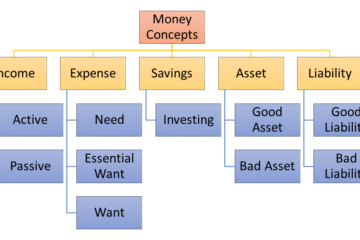
Income defines how you get money. It is the money that you earn from working or from other sources, such as gift from our loved ones or government benefits. It is an important concept to understand because it allows you to measure your financial well-being and to make informed decisions about your spending and saving habits.
Types of income
There are many different types of income, but they can generally be classified into two main categories:
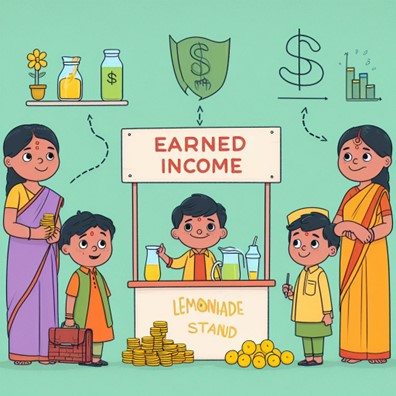
- Earned income: This is income that you earn through your own labour or capital. Examples of earned income include wages, salaries, commissions, rent, investment income, dividends, etc
- Unearned income: This is income that you receive without having to work for it. Examples of unearned income include gifts, government benefits, and inheritance.
Earned income: This Income can come from a variety of sources, including
- Employment: This is the most common source of income for most people. When you are employed by someone else, you earn a wage or salary for your work. Pilot, Postman, School teacher, clerk, janitor, etc are example of employees.
- Self-employment: If you own your own business, you are considered to be self-employed. Your income from your business is considered to be self-employment income. Businessmen, professionals, Doctors, shop owners are examples of self-employed people.
- Investments: When you save money and invest it in income generating assets such as stocks, bonds, and real estate, you can earn income from dividends, interest, and capital gains.
Unearned Income: This Income can come from a variety of sources, including
- Government benefits: The government offers a variety of benefits to individuals and families, such as Social Security, Medicare, and unemployment insurance. These benefits can be a source of income for people who are unable to work or who are retired.
- Gift income received from your loved ones are a source of unearned income. For example, money received on birthdays, marriage, pocket money from parents are all examples of gift.
- Inheritance: money passed on to next generation is a source of intertied income.

The importance of income
Income is important because it allows you to meet your basic needs, such as food, shelter, and clothing. It also allows you to save for the future and to achieve your financial goals.
How to increase your income
There are a number of things you can do to increase your income, such as:
- Get a better education: A higher level of education can lead to higher-paying jobs.
- Gain more experience: As you gain more experience in your field, you will become more valuable to potential employers and may be able to negotiate a higher salary.
- Start a business: If you have an entrepreneurial spirit, starting your own business can be a great way to increase your income.
- Invest your money: Investing your money can generate income in the form of dividends, interest, and capital gains.
Here are some of the benefits of having a high income:
- Improved quality of life: A higher income allows you to afford a better quality of life, including better housing, healthcare, and education.
- Financial security: A higher income gives you a financial cushion to fall back on in case of unexpected expenses, such as job loss or medical bills.
- Ability to save for the future: A higher income allows you to save more money for your retirement, your children’s education, and other financial goals.
Conclusion
Income is an important concept to understand because it allows you to measure your financial well-being and to make informed decisions about your spending and saving habits. There are many different types of income and sources of income. The amount of income that you earn will vary depending on a number of factors, such as your occupation, your education level, and your experience. There are a number of things you can do to increase your income, such as getting a better education, gaining more experience, starting a business, and investing your money.